Dock Tunnel in UAE | Insulated Loading Bay Tunnels

A dock tunnel is a prefabricated structure that forms a sealed connection between a warehouse and a docked truck when the dock leveller projects beyond the building line. It encloses an otherwise exposed loading point, and insulated versions protect the cold chain and cut energy loss. Omnitec supplies dock tunnels — including isothermal, angled, and gangway variants — across Dubai and the UAE.

Not every loading dock is built into the wall. When the dock leveller and platform project out beyond the building line, the space between the warehouse and the truck is left exposed to heat, dust, and weather — unless it is enclosed. That is exactly what a dock tunnel does. As a UAE supplier of loading bay equipment, Omnitec Security Systems LLC delivers dock tunnels that form a sealed, direct connection between the warehouse interior and the docked vehicle for protruding and external dock platforms. Insulated versions protect the cold chain and hold internal temperatures, keeping goods safe and loading areas controlled for facilities across Dubai and the wider UAE.

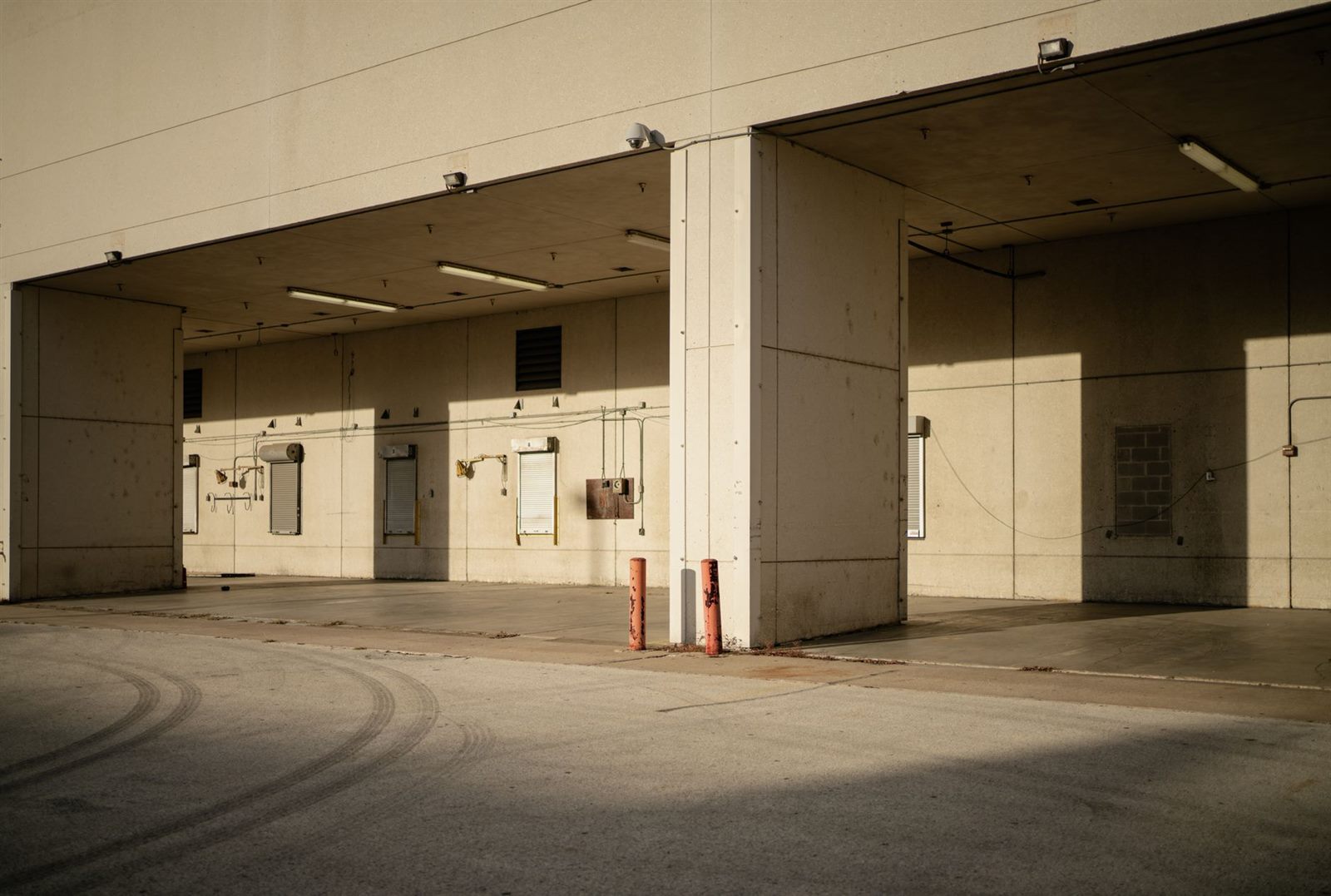
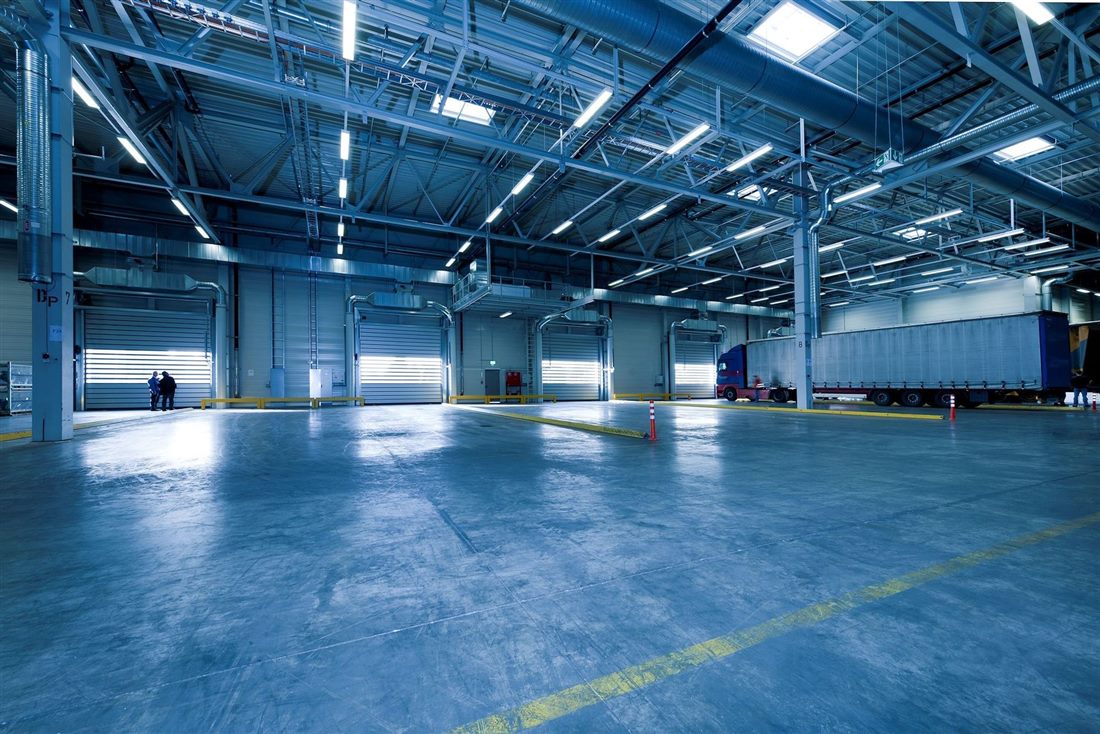
Empty warehouse loading dock exterior in the UAE
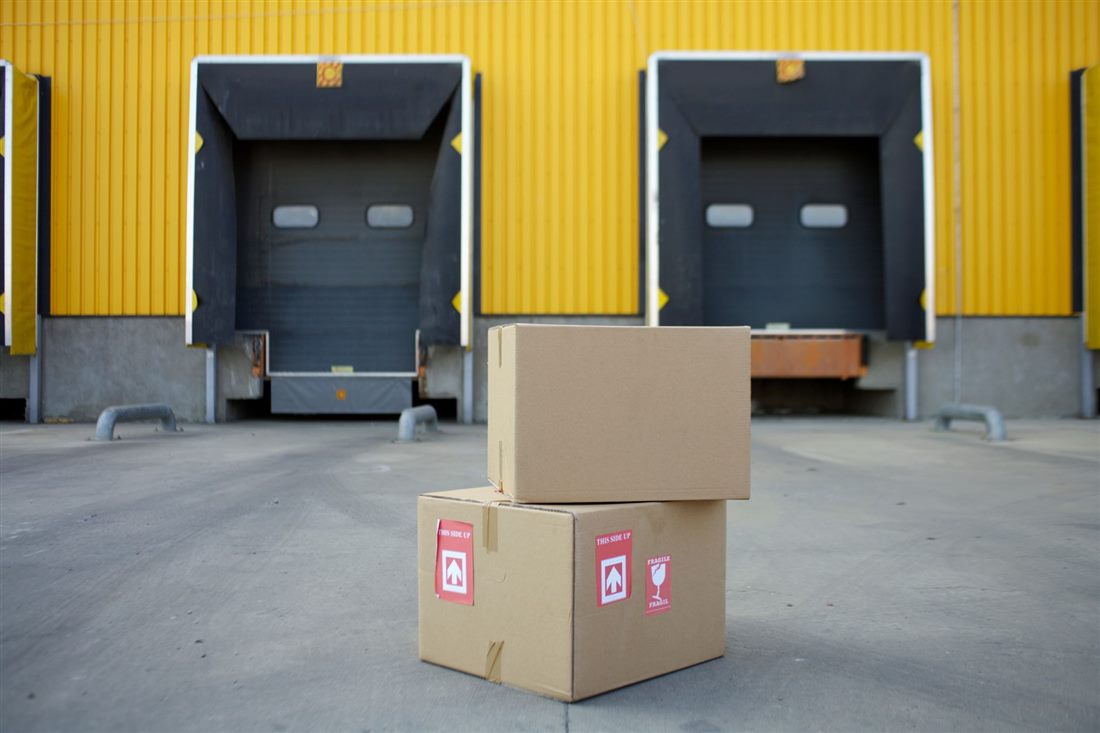
Warehouse building with two enclosed dock tunnel openings

What Is a Dock Tunnel?

A dock tunnel is a prefabricated structure that connects a warehouse directly to a docked vehicle when the dock leveller extends beyond the building line rather than sitting inside a recessed, in-wall dock. In these external or projecting dock arrangements, there is no building wall wrapped around the loading point — so the dock tunnel supplies that enclosure, forming a sealed passage from the warehouse opening out to the rear of the truck. The result is a loading area that stays protected from the elements and, in insulated versions, holds its temperature.

Dock tunnels are used with or without a built-in platform, and Omnitec supplies configurations to match real-world dock geometry — including versions for angled platforms and models fitted with connecting gangways at the platform edge. For temperature-sensitive operations, an isothermal (insulated) dock tunnel keeps conditioned air in and outside heat out, which matters a great deal in the UAE, where the gap between a chilled interior and a hot yard is extreme.

It helps to place the dock tunnel alongside its two close relatives, because choosing the right one depends entirely on your dock type. A dock shelter is the flexible seal — curtains or cushions — fitted at a standard recessed dock. A dock house is a fully enclosed, insulated structure built over an external dock. A dock tunnel is the sealed connecting passage specifically for docks where the leveller or platform protrudes beyond the building. Omnitec specifies whichever suits your site, and coordinates it with the leveller, seal, and door as a single system.

Dock tunnel vs dock house vs dock shelter — which is which:

Product What it is Best for
Dock Shelter Flexible seal (curtains/cushions) around the truck rear Standard recessed, in-wall docks
Dock House Enclosed, insulated structure built over the dock External docks needing full weather enclosure
Dock Tunnel Sealed connecting passage warehouse-to-vehicle Protruding/external dock levellers, incl. angled platforms

Features of Dock Tunnels

Our dock tunnels are engineered to turn an exposed, protruding dock into a sealed, controlled loading point. The features below explain how.

  • Direct, sealed warehouse-to-vehicle connection. The tunnel encloses the space between the building opening and the truck, giving goods a protected passage in and out.
  • Designed for protruding and external dock levellers. Where the leveller and platform project beyond the building line, the dock tunnel supplies the enclosure the wall would otherwise provide — used with or without a built-in platform.
  • Insulated (isothermal) option. An insulated dock tunnel limits heat exchange between the warehouse and the outside, protecting the cold chain and reducing cooling losses — vital for chilled and frozen operations.
  • Angled-platform versions. For docks where trucks approach at an angle or the platform is not square to the building, angled dock tunnel configurations keep the connection sealed.
  • Connecting gangway option. Models with a connecting gangway attached at the platform edge bridge the tunnel to the vehicle for a continuous, safe route.
  • Prefabricated, self-supporting structure. Built from durable steel and delivered largely pre-fabricated, the tunnel installs efficiently and stands independently of the building’s internal structure.
  • Weather, dust, and pest protection. By enclosing the loading area, the tunnel keeps rain, wind-blown sand, and pests out of the goods flow — a real advantage in exposed UAE yards.
  • Custom-sized to the dock. Each tunnel is dimensioned to the specific platform length, height, and vehicle mix, so the seal and passage fit the site rather than a standard template.
  • Coordinated with the whole bay. Omnitec specifies the tunnel together with the dock leveller, the seal at the tunnel mouth, and the door, so the components work as one.

Together these features let a facility create a sealed, temperature-controlled loading point exactly where the building itself cannot provide one.

Close-up of insulated steel panel wall construction
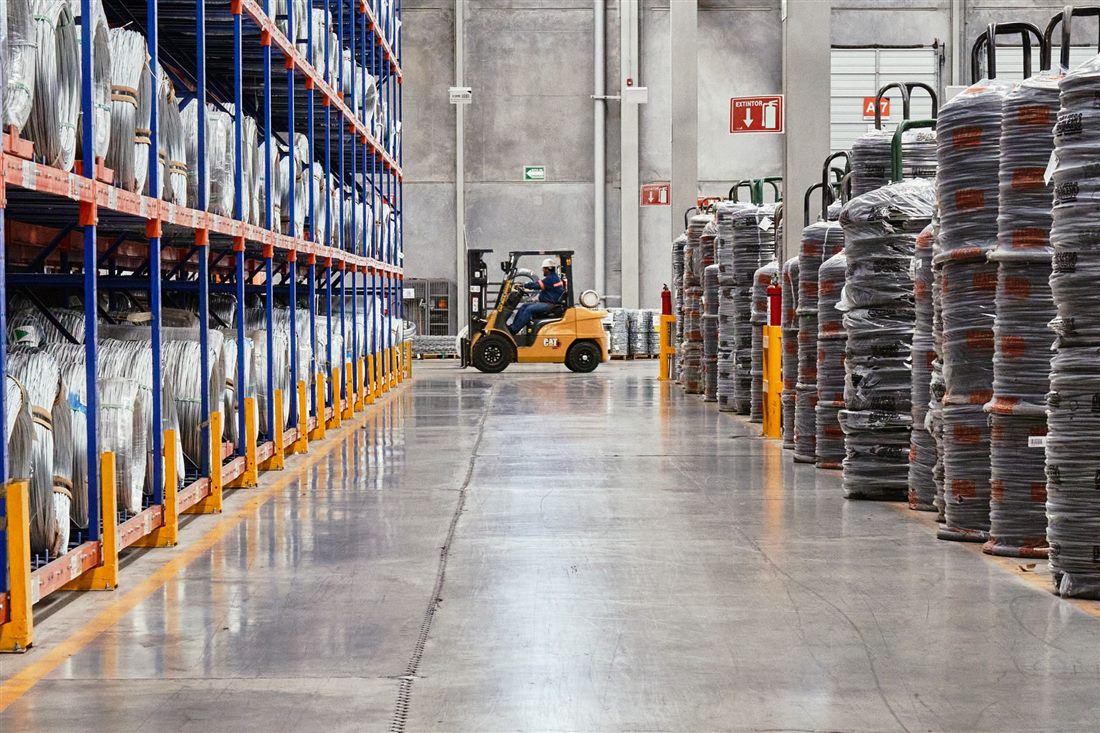
Forklift unloading goods at an industrial loading dock

Benefits of Dock Tunnels

A dock tunnel solves problems that a standard shelter cannot, which is why it is often the deciding piece of equipment for external and retrofitted docks.

  • Makes external docks viable. Where a recessed in-wall dock is impossible — for example when adding docks to an existing building — a dock tunnel creates a sealed loading point on a protruding platform.
  • Protects the cold chain. Insulated dock tunnels hold chilled and frozen temperatures at the loading point, supporting compliance and reducing spoilage for food and pharmaceutical operations.
  • Cuts energy loss. By enclosing and, where specified, insulating the loading area, the tunnel reduces the conditioned-air loss that an open, exposed dock would suffer — a meaningful saving in the UAE climate.
  • Shields goods and operators. The enclosure keeps rain, heat, dust, and pests away from the goods and gives operators a protected place to work.
  • Handles awkward dock geometry. Angled and gangway variants adapt to platforms and approaches that a simple shelter cannot seal.
  • Adds capacity efficiently. Because the tunnel is prefabricated and self-supporting, facilities can add or upgrade docks without major structural building work.

For operations expanding an existing site, running a cold chain, or working with protruding dock platforms, a dock tunnel is often the most practical way to turn an exposed loading point into a sealed, controlled one.

How Does a Dock Tunnel Work?

A dock tunnel works by extending the sealed, enclosed environment of the warehouse out to meet the vehicle. In a typical arrangement, the sequence is as follows:

  • 1. The tunnel encloses the protruding dock. The prefabricated structure spans from the building opening along the projecting platform or leveller, forming a covered, enclosed passage where an external dock would otherwise sit exposed.
  • 2. The vehicle reverses to the tunnel mouth. The truck backs up to the opening at the end of the tunnel, guided into position against the dock.
  • 3. The seal closes the gap. A dock seal or shelter at the tunnel mouth presses against the rear of the vehicle, closing the final gap between the tunnel and the truck body so the enclosure is continuous.
  • 4. The leveller bridges the height. The dock leveller compensates for the difference between the platform and the trailer floor, and — on gangway versions — a connecting gangway completes a safe, continuous route to the vehicle.
  • 5.Goods move through a controlled passage. Forklifts and staff load and unload through the enclosed tunnel, protected from weather and, on insulated versions, within a maintained temperature.
  • The reason a dock tunnel is needed at all comes down to dock geometry. At a conventional dock, the truck reverses into a recess in the building wall, and a dock shelter simply seals the last gap. But when the leveller and platform project outward beyond the building line, there is no wall to seal against — the loading point is effectively outdoors. The dock tunnel supplies that missing enclosure, extending the building’s protected envelope out to the vehicle. Insulated panels turn it into a thermal barrier as well, which is what makes the isothermal version so valuable for cold-chain sites.

Because the structure is prefabricated and self-supporting, it can be specified to the exact platform length and angle of the site, and installed without heavy modification to the existing building — one of the practical reasons dock tunnels are so useful for upgrading or extending established facilities.

Truck docked at a warehouse loading bay interior
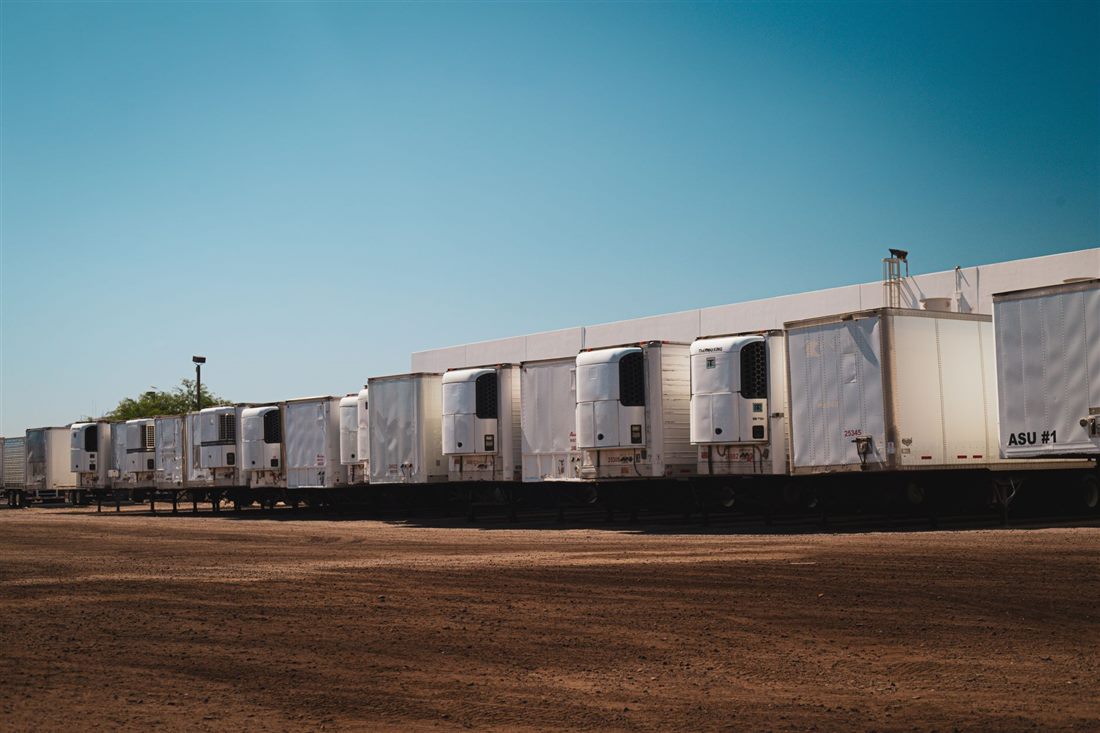
Refrigerated trucks parked in a cold chain logistics yard

Industries That Use Dock Tunnels

Dock tunnels are chosen wherever docks project beyond the building or where an exposed loading point needs to be sealed and, often, temperature-controlled.

  • Cold storage and frozen logistics. Insulated dock tunnels hold sub-zero temperatures at the loading point, protecting the cold chain where docks are external or added to existing cold stores.
  • Food and beverage. Processing and distribution facilities use dock tunnels to keep loading areas clean, sealed, and temperature-stable in line with hygiene requirements.
  • Pharmaceutical and healthcare logistics. Temperature-sensitive products benefit from the controlled, enclosed loading environment an insulated dock tunnel provides.
  • Distribution and third-party logistics. Operators adding dock capacity to existing warehouses use dock tunnels to create sealed loading points on protruding platforms without rebuilding the facade.
  • Manufacturing and industrial plants. Sites with external or awkwardly positioned docks use angled and gangway tunnel variants to seal difficult loading geometries.
  • Ports, free zones, and exposed yards. In the UAE’s open, high-temperature industrial areas, dock tunnels shield loading operations from heat, sand, and weather.

Because they specialise in the external and protruding dock situations that standard shelters cannot handle, dock tunnels fill an important gap in loading-bay design. Omnitec assesses your dock type, platform geometry, and temperature needs, then specifies the right tunnel configuration across Dubai and the UAE.

Leading Dock Tunnel Suppliers in the UAE

Specifying a dock tunnel is a question of matching the structure to the dock — its projection, its angle, its temperature requirement, and the vehicles it serves. That is where an experienced loading-bay supplier earns its place, and where Omnitec Security Systems LLC adds value across the UAE.

  • Whole-bay expertise. Dock tunnels sit within our wider loading-bay and door portfolio, so we specify the tunnel alongside the dock leveller, the seal, and the door as one coordinated system rather than separate parts.
  • Equipment from established manufacturers. We supply dock tunnels engineered by proven European loading-bay specialists, built to recognised quality standards — durable structures, not improvised enclosures.
  • Specified to your dock. Rather than a single option, we assess whether your site needs a dock shelter, a dock house, or a dock tunnel — and for tunnels, whether insulated, angled, or gangway-equipped — so you get the structure that genuinely fits.
  • Local support you can rely on. A UAE-based team handles specification, installation, and maintenance, close at hand throughout the equipment’s service life.
  • Trusted across the region. Our relationships with international loading-bay manufacturers reflect a track record that clients and partners across the UAE rely on.

For cold stores, food and pharma facilities, and logistics operators with external or protruding docks seeking a dependable dock tunnel supplier in Dubai and the UAE, Omnitec brings together the right products and the technical judgement to specify and support them properly.

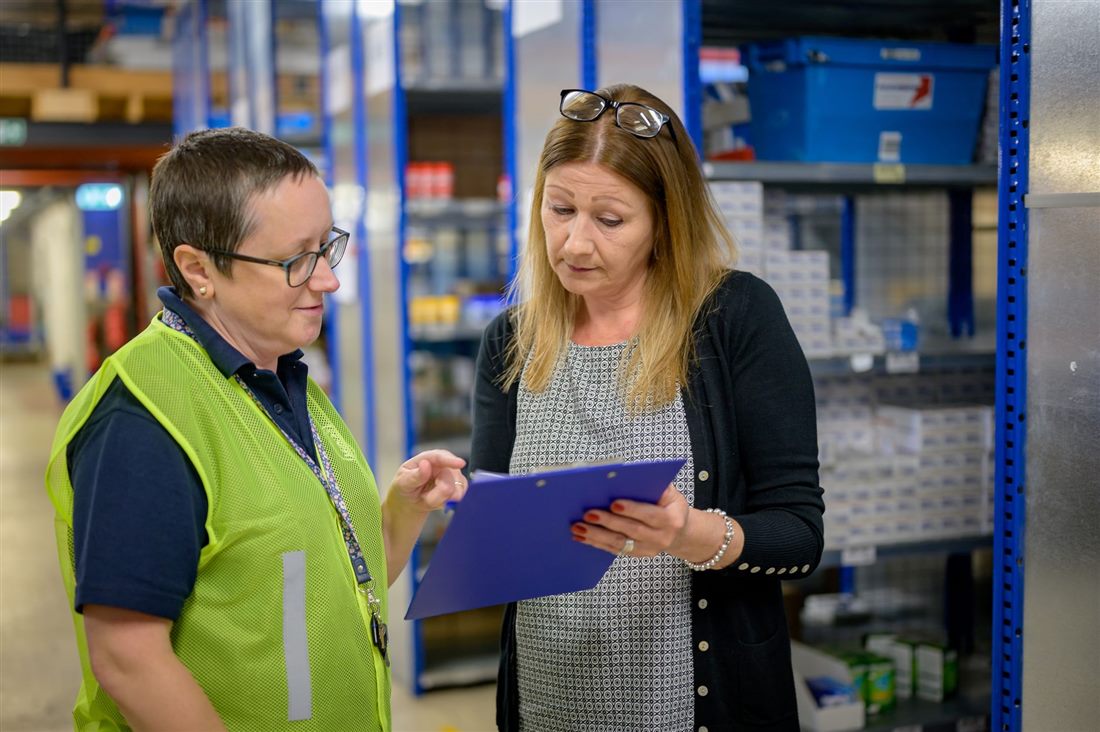
Warehouse team reviewing loading bay equipment specification

Frequently Asked Questions (FAQ)

1. What is a dock tunnel?

A dock tunnel is a prefabricated structure that forms a sealed, direct connection between a warehouse and a docked vehicle when the dock leveller or platform projects beyond the building line. It encloses an otherwise exposed external dock, protecting goods from weather and, in insulated versions, holding temperature.

2. When do I need a dock tunnel instead of a dock shelter?

Use a dock shelter when the truck reverses into a recessed dock built into the wall — it just seals the final gap. Use a dock tunnel when the leveller and platform protrude beyond the building, so there is no wall to seal against and the whole loading point needs enclosing.

3. What is the difference between a dock tunnel and a dock house?

Both enclose an external dock, but a dock house is a fully enclosed insulated structure built over the dock, while a dock tunnel is the sealed connecting passage between the warehouse and the vehicle, typically for a protruding leveller. Omnitec advises which suits your dock.

4. Are dock tunnels insulated?

They can be. An isothermal (insulated) dock tunnel limits heat exchange between the warehouse and outside, protecting the cold chain and cutting energy loss. Non-insulated versions are available where temperature control is not required.

5. How long does dock tunnel installation take?

Because dock tunnels are prefabricated and self-supporting, installation is efficient and requires no major structural work to the building. After a site survey, the structure is manufactured to your platform dimensions and assembled on site with minimal disruption to loading operations.

6. What maintenance does a dock tunnel need?

The steel structure itself needs very little — routine inspection is usually enough. The wear items are the seal or shelter at the tunnel mouth and any gangway hardware, which should be checked periodically. Omnitec provides maintenance support to keep the whole assembly performing.

7. Can dock tunnels be customized to my platform dimensions?

Yes. Every dock tunnel is dimensioned to the platform’s length, height, and projection, with angled configurations for non-square approaches and optional connecting gangways at the platform edge. Omnitec surveys the dock and specifies the exact geometry required.

8. Can dock tunnels handle angled or awkward platforms?

Yes. Dock tunnels are available in angled-platform configurations and with connecting gangways at the platform edge, so they can seal docks where the truck approaches at an angle or the platform is not square to the building.

9. Can a dock tunnel be added to an existing building?

Yes. Because dock tunnels are prefabricated and self-supporting, they are well suited to adding or upgrading docks on existing facilities, creating a sealed loading point on a protruding platform without major structural rebuilding.

10. Are dock tunnels suitable for the UAE climate?

Yes. By enclosing the loading point, dock tunnels shield goods and operators from heat, sand, and weather, and insulated versions hold cold interior temperatures against extreme outdoor heat — well matched to UAE ports, free zones, and industrial yards.

Testimonials

Upgrade Your Loading Bay With Omnitec

Have a dock that projects beyond your building, or a cold-chain loading point that needs sealing? Omnitec Security Systems LLC supplies, specifies, and installs dock tunnels for cold stores, food and pharmaceutical facilities, and logistics operations across Dubai and the UAE. Whether you need an insulated tunnel for a frozen dock, an angled version for an awkward platform, or a gangway-equipped model, our team will assess your dock geometry and temperature requirements and recommend the right configuration — coordinated with your leveller, seal, and door, and backed by local support. Talk to our loading-bay specialists today for expert advice, a site assessment, and a tailored quotation.

Omnitec Security