What Are Manual Loading Bridges?
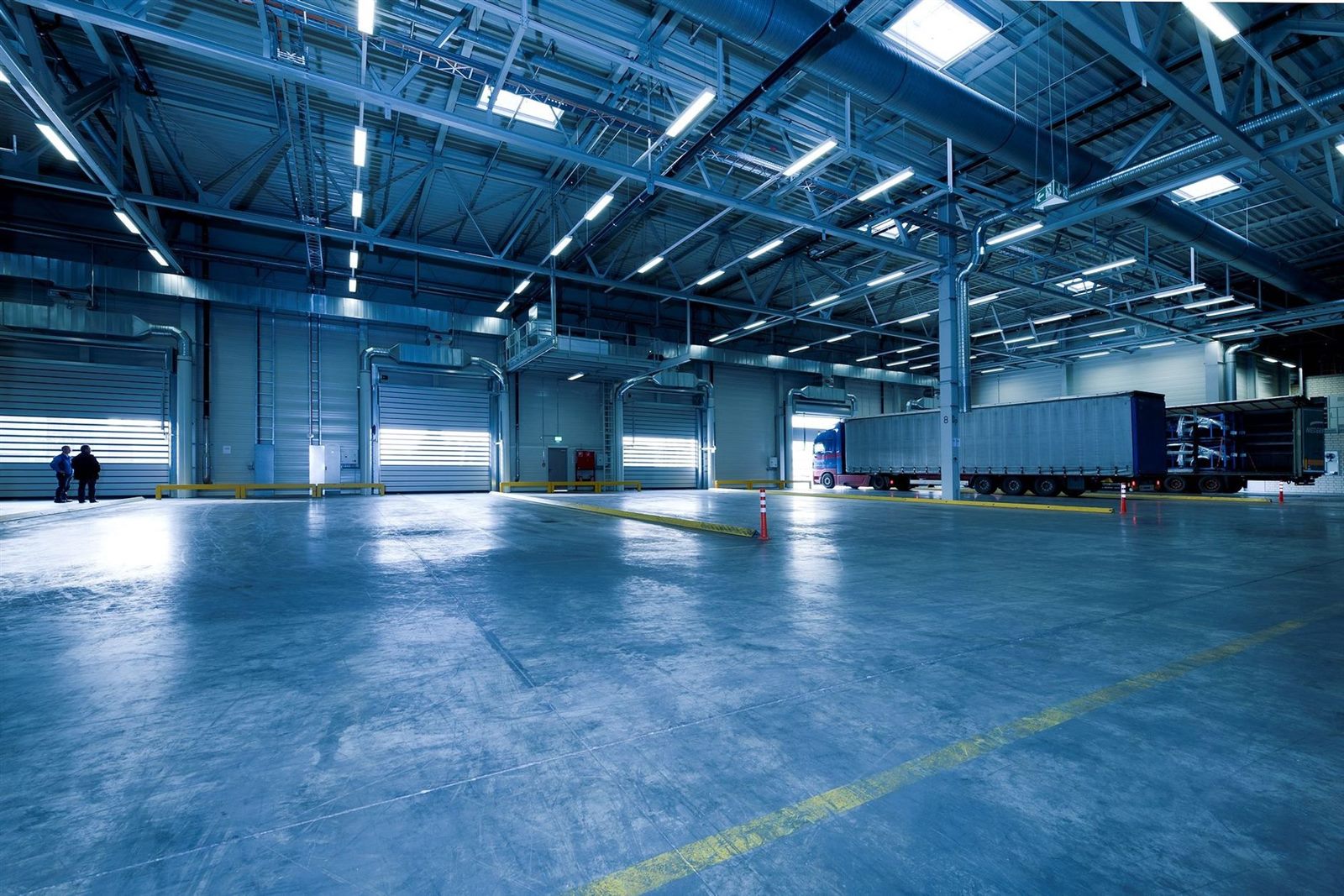
A manual loading bridge is a folding bridge plate that spans the space between a loading dock and a parked vehicle, creating a level, load-bearing surface for goods to move across. Unlike a permanently built dock leveler set into a pit, a manual loading bridge is deployed by hand — the operator lowers the folding platform and rests its lip on the truck bed — and needs no excavation or major construction to install. That makes it one of the most practical, cost-effective ways to equip a loading bay, particularly in facilities that were never built with a recessed dock pit.
At Omnitec, we supply manual loading bridges engineered for the demands of UAE logistics operations, drawing on loading bay equipment from established European manufacturers. A traditional dock with no bridging equipment forces operators to improvise across an uneven gap — a slow, unsafe practice that damages goods and invites accidents. A properly specified loading bridge removes that risk by providing a stable, predictable crossing every time a vehicle docks.
Our range covers two core construction types. Aluminium loading bridges are lightweight, naturally corrosion-resistant, and easy to move, which suits outdoor bays, humid environments, and sites that need to shift the bridge between docks. Steel loading bridges are built for heavier, more demanding operations where strength and stability take priority. Both are manufactured as a single piece wherever possible, eliminating the wear-prone moving parts and hydraulic systems that drive up long-term maintenance.
Within those two materials, we supply a full range of configurations to match how your dock actually operates:
- Fixed folding bridges — positioned at a single dock and folded down into place when a vehicle arrives.
- Folding bridges with lateral movement — slide sideways so one unit can serve more than one loading point.
- Transportable/portable bridges — lighter units moved wherever bridging is needed, including versions with a swinging lip for easier placement.
- Compact mini-ramps — for light inclines and smaller height differences.
- Manual-hydraulic mini-ramp option — a hand-operated hydraulic assist where easier lifting is preferred.
Because they need no pit, manual loading bridges integrate easily with existing loading bay infrastructure — including dock shelters, sectional doors, and the wider dock automation setup — without structural changes or extended downtime.
Manual loading bridge vs dock leveler — at a glance:
| Feature |
Manual Loading Bridge |
Dock Leveler |
| Installation |
No pit, mounts at dock edge |
Usually pit-mounted or built-in |
| Operation |
Manual (folding, by hand) |
Hydraulic, mechanical, or manual |
| Mobility |
Portable/fixed options |
Permanent, fixed to the bay |
| Best for |
Moderate traffic, no dock recess, mixed vehicles |
High-frequency, permanent loading bays |
| Maintenance |
Minimal (few moving parts) |
Higher on powered units |